
Pneumatic System: Powering Pressurization and Airflow
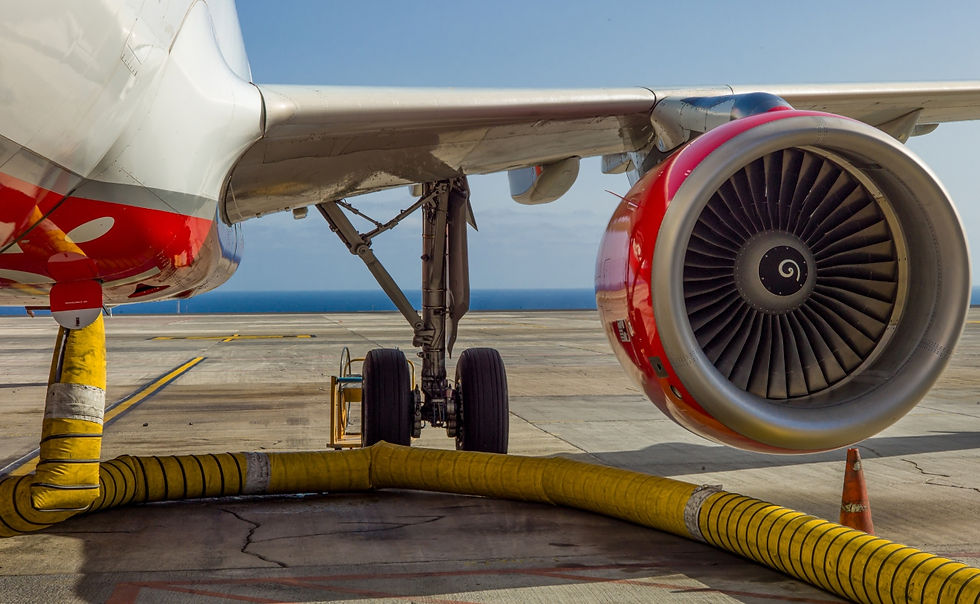
Every time you start an engine, cool the cabin, or protect the wings from ice, you rely on one of your aircraft's most fundamental systems—the pneumatic system. Think of it as your aircraft's respiratory system, capturing high-pressure air from multiple sources and distributing it throughout the aircraft for critical functions. But what happens when this "breathing" becomes compromised? How does the system ensure you always have the air pressure needed for essential operations?
How the Pneumatic System Works
The pneumatic system solves a fundamental challenge: providing high-pressure air reliably for multiple critical functions simultaneously. Your A320/A321 needs this pressurized air for air conditioning, engine starting, wing anti-icing, water pressurization, hydraulic reservoir pressurization, cargo heating, and fuel tank inerting. The system achieves this through three primary air sources working in a coordinated hierarchy.
Engine bleed air serves as your primary source during normal flight operations. Each engine extracts air from its compressor stages—typically from the Intermediate Pressure (IP) stage for fuel efficiency, but automatically switching to the High-Pressure (HP) stage when needed. This isn't arbitrary; at low engine speeds, IP air lacks sufficient pressure and temperature, so the system intelligently selects HP air and regulates it to 36 ± 4 PSI on most aircraft types.
APU bleed air becomes your go-to source on the ground and serves as backup in flight. When APU speed exceeds 95 % and you select APU BLEED ON, the system automatically opens the crossbleed valve and closes engine bleed valves—a smart prioritization that prevents conflicts between air sources.
Ground connections provide external high-pressure air when available, offering flexibility during ground operations without running engines or APU.
Managing Air Distribution and Pressure
The crossbleed duct acts like the main artery of your pneumatic system, connecting left and right engine bleed systems while receiving air from APU and ground sources. The crossbleed valve on this duct functions as an intelligent traffic controller, either isolating or connecting the two sides based on operational needs and system logic.
Each engine's bleed system operates with sophisticated pressure regulation. The bleed valve serves dual purposes as both a shut-off and a pressure regulator, maintaining delivery pressure at 45 ± 5 PSI (CFM engines) under normal conditions. During high-power operations like takeoff or climb up to FL100, expect pressure variations between 38 and 56 PSI—this is normal and reflects the dynamic nature of engine operations (CFM engines).
Temperature management is equally critical. Precoolers downstream of each bleed valve regulate air temperature to approximately 200 °C using fan air as coolant. During climb or hold with both engine bleeds active but wing anti-ice off, this drops to about 160 °C (PW engines). The fan air valve controlling cooling airflow is spring-closed when no pressure exists, ensuring proper thermal management.
When Things Go Wrong
The pneumatic system's reliability comes from multiple layers of protection and automatic responses. Two Bleed Monitoring Computers (BMC1 and BMC2) continuously track pressure, temperature, and valve positions, with each capable of taking over if the other fails. This redundancy ensures system continuity even during component failures.
Leak detection represents one of the most critical safety features. The system monitors for overheating near hot air ducts using sensing loops—single loops for APU and pylon areas, double loops for wings (CFM engines). When a leak is detected, the response is immediate and comprehensive: the affected bleed valve closes automatically, fault lights illuminate, and the crossbleed valve closes (except during engine start when you need maximum flexibility).
Automatic valve closures protect the system under various conditions. Engine bleed valves close when upstream pressure drops too low, when return flow is detected, or when electrical commands are received (like pressing ENG FIRE pushbuttons). The system also responds to overtemperature, overpressure, leak detection, open starter valves, engine shutdown, or APU bleed activation.
Overpressure protection provides a final safety net. If pressure regulation fails and pressure exceeds 75 PSI, overpressure valves close to protect downstream components and systems.
What This Means for You
Understanding pneumatic system operation helps explain several operational procedures and limitations. The 264-knot restriction for landing gear operation exists because the system includes a safety valve preventing hydraulic supply to the landing gear when airspeed exceeds this limit—the pneumatic system's pressure management influences other aircraft systems.
Engine start procedures make more sense when you understand that APU bleed automatically closes engine bleed valves. This prevents backflow and ensures adequate pressure for starting. The system's intelligence means you don't need to coordinate these actions manually.
Anti-icing operations depend entirely on pneumatic system health. Wing anti-ice uses hot bleed air to heat the three outboard slats on each wing, while engine anti-ice protects air intakes. When you select these systems ON, you're drawing from the same pneumatic supply that powers your air conditioning—understanding this helps explain why pack performance might change during anti-ice operations.
Failure management becomes more intuitive when you grasp the system's logic. If BMC1 fails, you lose ENG BLEED LEAK warnings for the associated engine and APU BLEED LEAK warnings (CFM engines). BMC2 failure affects different warnings. The FAULT lights on your AIR COND panel become inoperative with their respective BMC failures, and automatic bleed valve closure is lost along with overtemperature protection (CFM engines).
Operational implications extend beyond normal procedures. The system's automatic responses during engine start (closing crossbleed valve, managing bleed valve positions) happen without pilot input, but understanding these actions helps you recognize normal system behavior versus actual malfunctions. When troubleshooting pneumatic issues, remember that the system prioritizes safety through automatic shutdowns and isolations—these aren't necessarily failures but protective responses to abnormal conditions.
The pneumatic system exemplifies modern aircraft design philosophy: multiple redundant sources, intelligent automatic management, and comprehensive protection systems working together to ensure reliable operation. Your role involves monitoring this automation and understanding when to intervene, making system knowledge essential for effective flight deck management.
Pneumatic System: Powering Pressurization and Airflow
How the A320 pneumatic system powers pressurization, anti-ice, and engine starts – bleed air hierarchy, crossbleed logic, leak detection, and failure responses.