Master the A320 air conditioning, pressurization & ventilation systems – how they work, failure modes, and what it means for your decisions in the cockpit.
Autopilot Management: Navigating Automation with Precision
Understand how the A320 autopilot, flight director, and autothrust work together – and how to stay in command when automation doesn't do what you expect.
A320 autopilot guidance explained for pilots – managed vs. selected modes, lateral and vertical logic, and how to anticipate system behavior in any phase.
Everything A320 pilots need to know about the communication system – VHF logic, RMP redundancy, audio management, and how to stay connected when things fail.
Electrical System: Power, Protection, and Emergency Response
Your complete A320 electrical system guide – power hierarchy, bus architecture, RAT emergency generation, and how the system protects itself during failures.
Fire Protection: Layered Defense Against Onboard Fires
How the A320 detects and fights fires in engines, APU, cargo, and avionics – dual-loop detection logic, extinguisher strategy, and what each warning means.
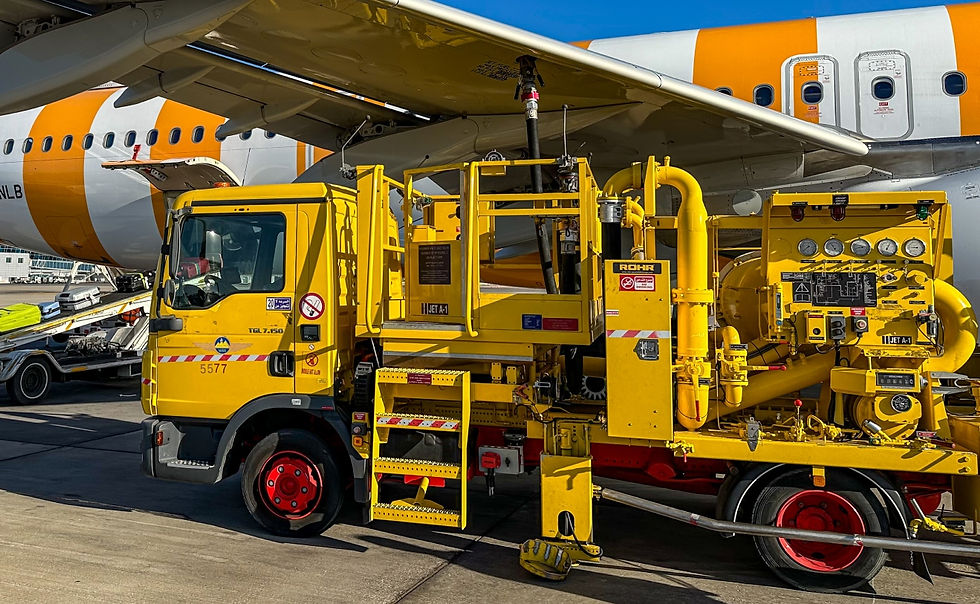
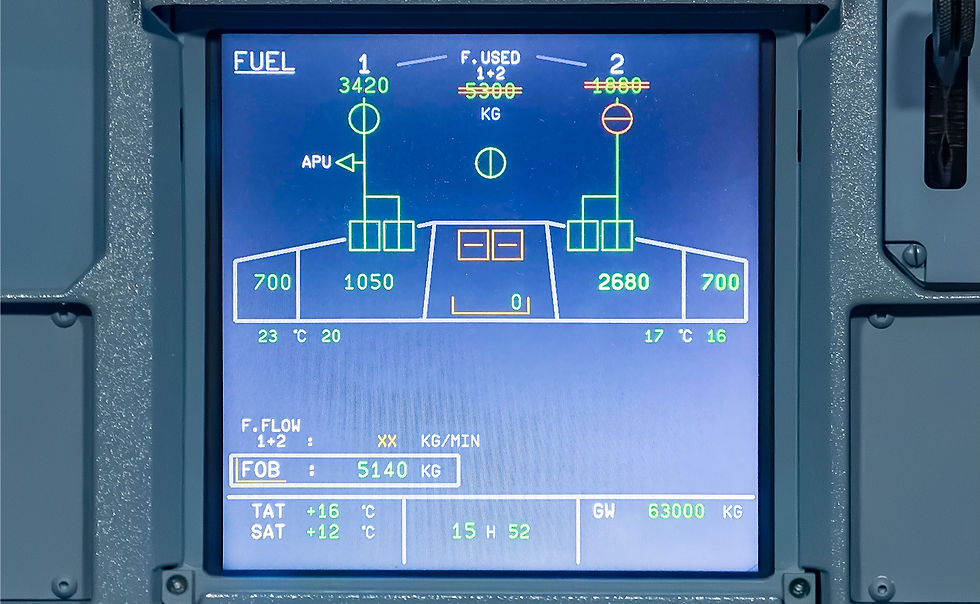
How the A320 fuel system manages distribution, transfer sequencing, and balance automatically – plus leak detection, temperature limits, and failure logic.
A320 ice and rain protection from the ground up – when to activate each system, how wing and engine anti-ice interact, and operational limits that matter.
Indicating and Recording Systems: Monitoring and Logging
How the A320 turns raw sensor data into actionable cockpit information – PFD logic, ECAM modes, flight path vector, and what the displays tell you in failures.
A320 landing gear explained – normal and gravity extension, braking system layers, anti-skid logic, nose wheel steering, and what each indication actually means.
Surveillance: The Aircraft's Electronic Eyes and Protective Systems
A320 surveillance systems explained – weather radar, GPWS, predictive windshear, TCAS, and runway overrun protection, and how they work as a layered defense.
Pneumatic System: Powering Pressurization and Airflow
How the A320 pneumatic system powers pressurization, anti-ice, and engine starts – bleed air hierarchy, crossbleed logic, leak detection, and failure responses.
our complete A320 APU guide – how it starts, what it powers, ECB control logic, automatic shutdown protection, and operational limits pilots need to know.
How the CFM56 powers the A320 ceo – FADEC control logic, engine protection systems, stall and vibration recognition, and what each parameter tells you in flight.
The A320neo's PW1100G engine explained – geared turbofan logic, FADEC idle modes, cooling sequences, TCM protection, and what it all means in daily operations.
Emergency Electrical Configuration: When the A320/A321 Loses Its Main Power
What remains when the A320 loses both generators – how the RAT, emergency generator, and battery power work, and what pilots need to know to land safely.
All Engine Failure: When Both Engines Stop—Your Complete Guide to Survival
A complete guide to A320 dual engine failure – RAT deployment, relight strategy, glide management, and how to reach a safe landing when both engines stop.
Engine Failure After V1: Managing the Critical Transition from Ground to Flight
How to handle A320 engine failure after V1 – rotation technique, SRS guidance, beta target control, and the full sequence from liftoff to engine securing."
A320 engine stall explained – how compressor stalls develop, what FADEC does automatically, and how to assess, manage, and recover without unnecessary shutdown."
Why A320 tailpipe fires don't trigger cockpit alerts – how to recognize them through EGT and visual cues, and why dry cranking beats the fire extinguisher.
Engine Vibration: Identifying and Isolating Causes
How to diagnose A320 engine vibrations – distinguishing fan icing from mechanical damage, ice removal technique, and when vibrations actually require engine shutdown.
What changes when the A320 high-lift system fails – altered speeds, degraded flight control laws, approach technique, and go-around considerations with jammed surfaces.
How to detect, locate, and manage A320 fuel leaks – fuel accounting principles, warning signs by location, isolation strategy, and when to divert or shut down an engine.
Dual Hydraulic Failure: Flying with Limited Control
The three A320 dual hydraulic failure combinations explained – what each scenario leaves you with, how flight control laws degrade, and what landing really looks like.
A320 emergency descent from the ground up – memory items, descent profile numbers, structural damage considerations, oxygen management, and TCAS during the dive.
When and how to evacuate an A320 – the decision logic, crew coordination, Delta P requirements, the evacuation signal system, and managing it on emergency power.
How to execute an A320 emergency landing with limited or no engine power – gear strategy, energy management, braking limitations, and ditching considerations.
Incapacitation: From Two-Pilot Flight to One-Pilot Emergency
How to recognize and manage A320 crew incapacitation – subtle warning signs, sidestick override, single-pilot workload management, and when to declare an emergency.
A320 overspeed explained for pilots – why it happens, how high-speed protection works in normal law, recovery technique, and when to report for maintenance inspection.
The physics and decision-making behind A320 rejected takeoffs – speed regime criteria, deceleration systems, loss of braking backup, and what to do after stopping.
A320 stall from physics to recovery – how AOA protection and alpha-floor work in normal law, what changes in alternate and direct law, and the correct recovery technique.
How volcanic ash threatens A320 engines and systems – recognition signs, the dual engine failure cascade it can trigger, relight challenges, and avoidance strategy.
Upset prevention and recovery for A320 pilots – how to recognize nose-high and nose-low upsets, the three-step recovery process, and crew coordination under pressure.
Unreliable Speed: When Your Instruments Can't Be Trusted
What to do when A320 airspeed can't be trusted – how the ADR voting system works, how to recognize corrupted data, and how to fly with backup speed references.
How to detect, isolate, and respond to A320 smoke and fumes – oxygen mask logic, detection systems by zone, emergency electrical configuration, and when to land immediately.